
Behind every race day is a story of people, passion and persistence
A horse race can be over in a few minutes.
But in Western Australia, the work behind that race can take months — and sometimes generations.
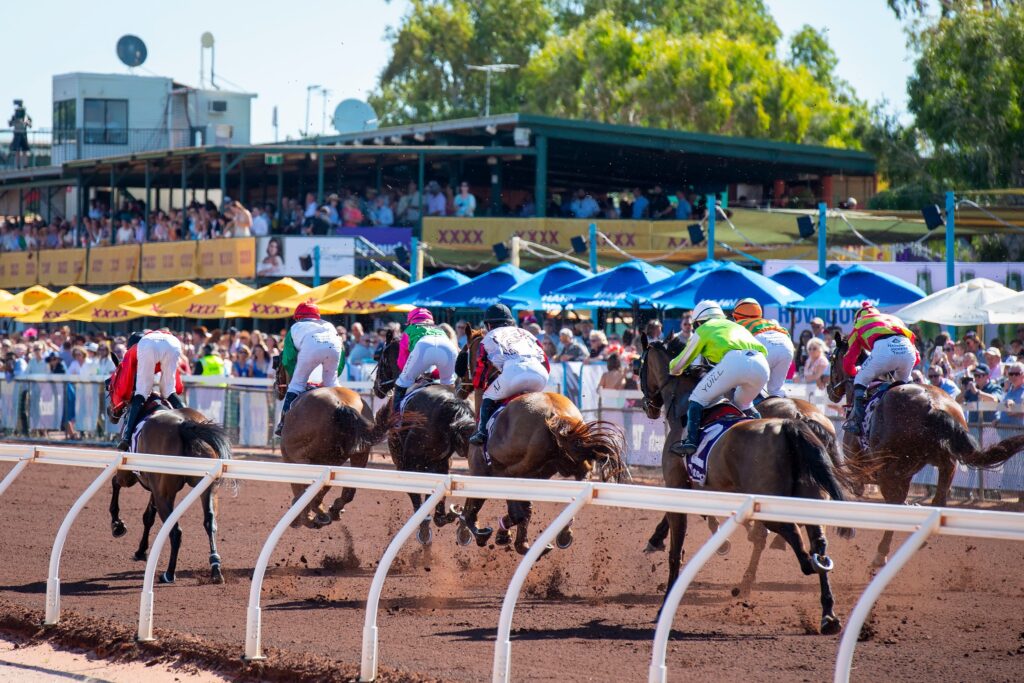
Before the jockey climbs into the saddle, someone has prepared the horse. Before spectators arrive, volunteers have prepared the course. Before the first race begins, local businesses, officials, trainers and countless others have already played their part.
This is the human side of Western Australian horse racing.
More Than a Sport
Western Australian country racing stretches across an extraordinary distance.
Country Racing WA represents 25 clubs extending from Kununurra in the north to Esperance in the south, covering more than 3,000 kilometres. Many of those clubs were established during the state’s early pioneering years.
That makes the people behind the sport particularly important.
A major metropolitan meeting can rely on large professional teams.
A country race meeting often depends heavily on people who simply believe the event matters.
The Volunteer Effect
At many regional clubs, volunteers are involved long before race day.
They help organise events, prepare facilities, coordinate sponsors, welcome visitors and keep the meeting running.
At Newman, for example, the annual Newman Cup is described as a significant social event for locals and visitors, with the community involved in preparing the track, running the meeting and even judging fashion on the field.
In Kojonup, the story is similar.
The Wandecla Races are run with the support of members of the local polo and polocrosse community, many of whom volunteer their time from the planning stages through to race day.
These people may never appear in the winner’s photograph.
But without them, there may be no race meeting at all.
Generations Around the Track
Western Australian racing also has a remarkable ability to connect generations.
In Leonora, formal racing dates back to 1900, and the Leonora Cup has developed into a symbol of the town’s heritage and community spirit.
In Derby, the West Kimberley Turf Club traces its roots to grassroots racing involving district-bred and station horses. The club’s history includes families whose involvement with racing has continued across generations.
That continuity gives country racing something difficult to manufacture.
A young spectator can grow up watching races, become involved with horses, volunteer at the club and eventually bring their own children to the same event.
The race changes.
The connection remains.
When Racing Supports the Town
There is also a practical reason communities value racing.
Race meetings bring people into regional towns.
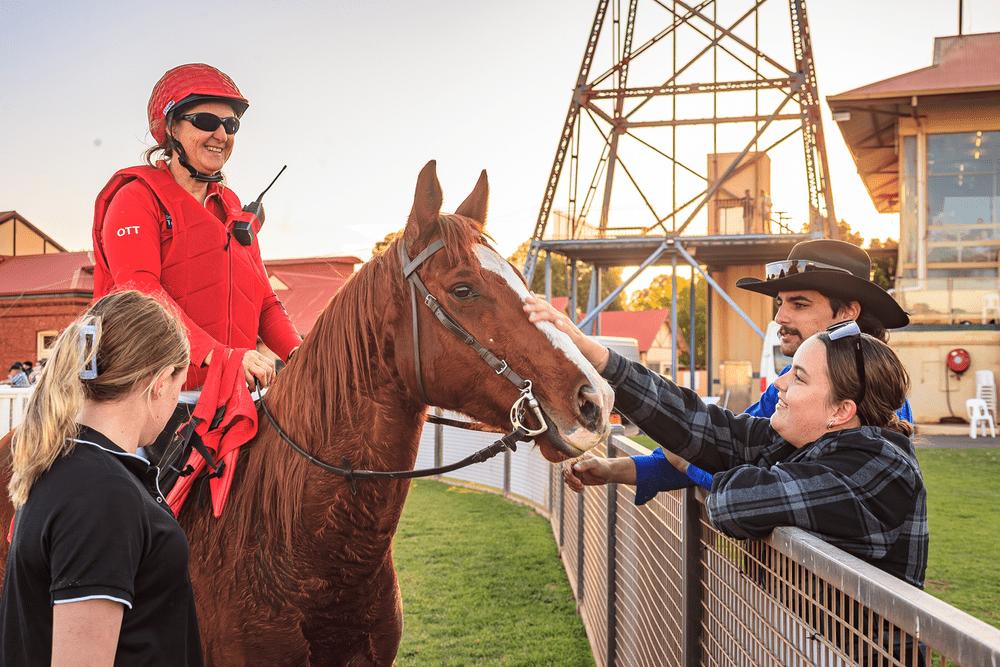
Visitors need accommodation, food, fuel and other services. Local businesses can benefit from the additional activity, while racing itself provides employment opportunities for people with specialist skills.
A WA regional racing feature describes racing as a profession and a platform for social interaction, while highlighting the benefits it brings to local businesses and employment.
The racecourse therefore becomes part of the local economy.
The impact extends well beyond the ticket gate.
A New Generation of Racecourses
Keeping these communities connected to racing also requires investment.
In June 2026, the WA Government announced a $25.2 million program to upgrade regional racecourses. The work includes improvements to tracks, lighting, fencing, horse stalls, administration areas and facilities for jockeys and female participants.
It is an important shift.
Preserving country racing does not mean leaving everything exactly as it was.
The traditions can remain while the facilities become safer, more practical and better suited to modern racing.
The Changing Face of Country Racing
The modern country race day is also changing in other ways.
Fashion has become increasingly visible.
Social media gives small race meetings an audience far beyond their local community.
Younger spectators can discover regional racing without ever having attended a racecourse before.
And events can become tourism experiences in their own right.
The result is a new version of country racing — one that still values tradition but understands that attracting the next generation requires something more.
It needs an experience.
The Race Is Only the Showcase
Perhaps that is the biggest misconception about racing.
We tend to think the horse is the entire story.
It isn’t.
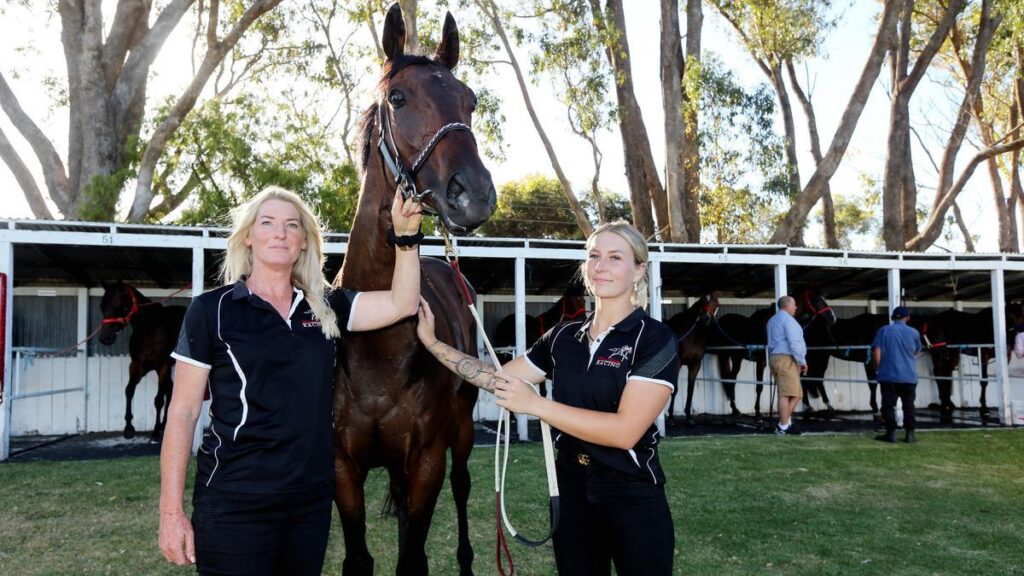
The horse is the centre of the spectacle, but an enormous network surrounds it.
The trainer.
The jockey.
The stable staff.
The volunteers.
The race club committee.
The local businesses.
The sponsors.
The officials.
The spectators.
And the families who return year after year.
Each plays a small part in making race day possible.
What the Future Depends On
The future of Western Australian racing may ultimately depend less on how spectacular the biggest race is and more on whether smaller communities continue to care about their local clubs.
If volunteers keep turning up, businesses keep supporting meetings and families keep bringing younger generations to the track, the tradition has somewhere to go.
That is why investment in regional racing matters.
It is not simply an investment in horses.
It is an investment in communities.
The Faces Behind the Finish Line
When the winner crosses the line, the cameras naturally follow the horse and jockey.
But somewhere behind the scenes, a volunteer is probably already packing equipment away.
A stable worker is preparing the horse for its journey home.
A committee member is thinking about the next meeting.
And a local business owner is counting the day’s impact.
The crowd eventually disappears.
The track becomes quiet again.
But the people who keep Western Australian racing alive start preparing for the next race day.
Because the real story of country racing isn’t only about who crosses the finish line first.
It is about everyone who makes sure there is a finish line to cross.