
The Preakness Stakes is one of the most prestigious horse races in North America and serves as the second leg of the famous Triple Crown series. Held annually at Pimlico Race Course in Baltimore, Maryland, the race attracts elite three-year-old thoroughbreds seeking racing immortality.
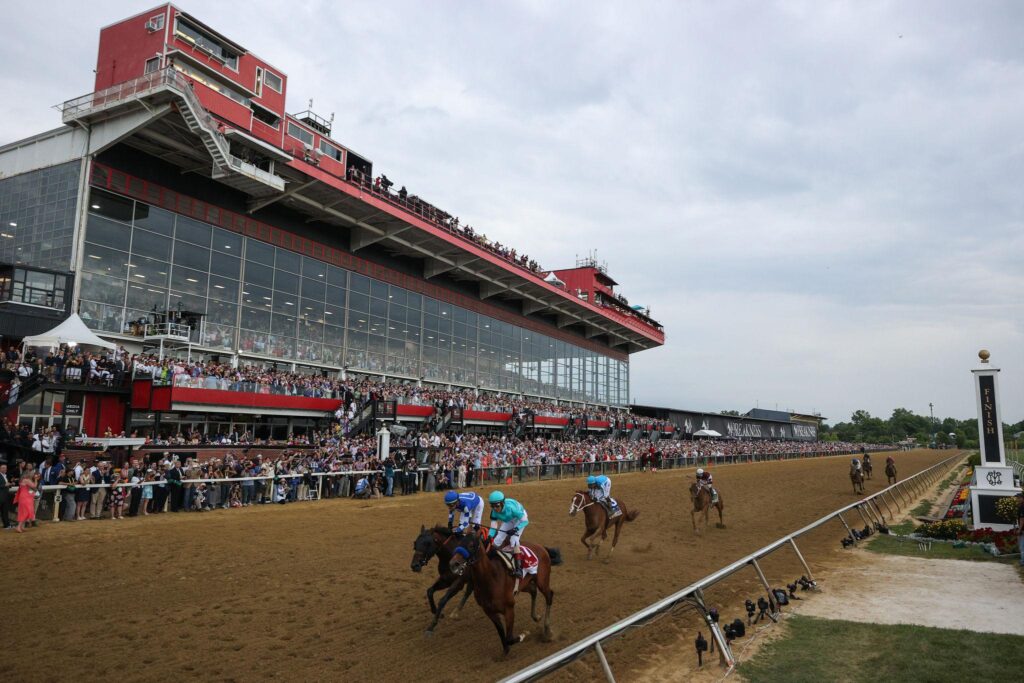
Known for its rich history, passionate fans, and thrilling finishes, the Preakness Stakes occupies a special place in American horse racing. Whether you’re a first-time viewer or a seasoned racing enthusiast, this guide covers everything you need to know about this legendary event.
What Is the Preakness Stakes?
The Preakness Stakes is a Grade 1 thoroughbred horse race contested over 1 3/16 miles (9.5 furlongs) on dirt. It is traditionally held on the third Saturday in May, two weeks after the Kentucky Derby.
The race is considered the “Middle Jewel” of the Triple Crown, positioned between:
- Kentucky Derby
- Preakness Stakes
- Belmont Stakes
A Kentucky Derby winner who captures the Preakness keeps Triple Crown dreams alive heading into Belmont Park.
Quick Race Facts
| Category | Details |
|---|---|
| Race Name | Preakness Stakes |
| Location | Pimlico Race Course, Baltimore, Maryland |
| Distance | 1 3/16 Miles (9.5 Furlongs) |
| Surface | Dirt |
| Grade | Grade 1 |
| Age Requirement | Three-Year-Old Thoroughbreds |
| Race Date | Third Saturday in May |
| Triple Crown Leg | Second |
History of the Preakness Stakes
The Preakness Stakes was first run in 1873, making it one of America’s oldest horse races.
Named after a colt called Preakness, the race has produced countless memorable moments and legendary champions throughout its history.
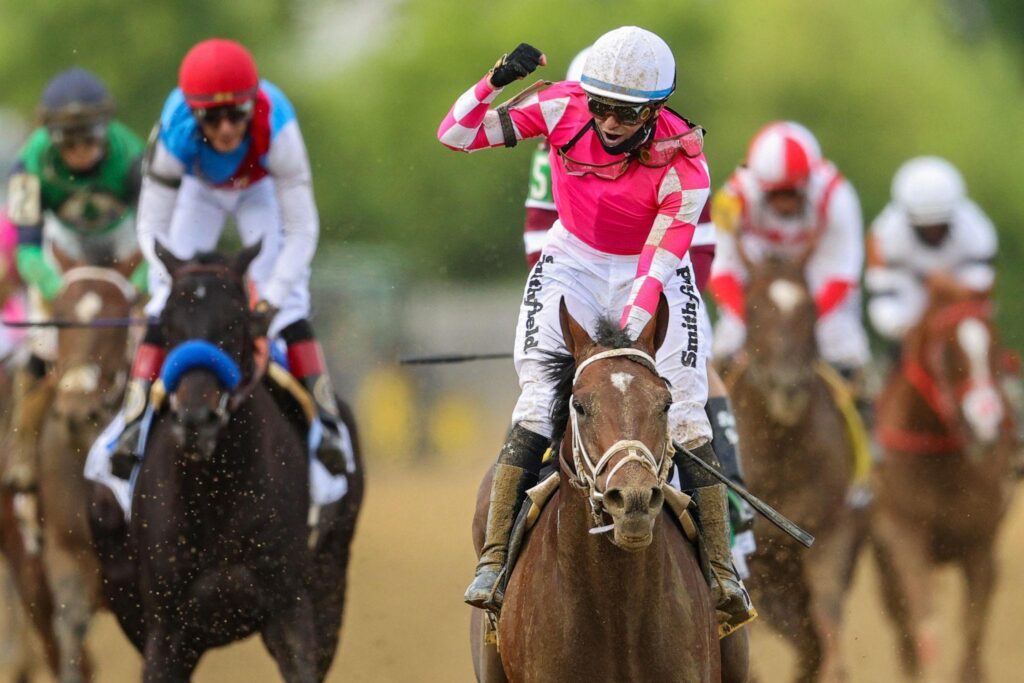
Over the decades, racing icons such as Secretariat, Seattle Slew, Affirmed, American Pharoah, and Justify have all captured the Preakness on their way to becoming household names.
The race’s traditions, including the painting of the weather vane in the winner’s colors, continue to make the event unique.
Why the Preakness Is Different
The Preakness Stakes presents a different challenge compared to the Kentucky Derby.
Shorter Distance
The Preakness is slightly shorter than the Kentucky Derby, often favoring horses with tactical speed.
Smaller Fields
Unlike the Derby’s large field, the Preakness typically attracts fewer runners, resulting in cleaner trips and fewer traffic problems.
Quick Turnaround
Horses must recover quickly after the Kentucky Derby, making conditioning and fitness critical factors.
Famous Preakness Winners
Secretariat (1973)
Many racing fans consider Secretariat’s Preakness victory one of the greatest performances in horse racing history. His Triple Crown campaign remains legendary.
Seattle Slew (1977)
Seattle Slew won the Preakness while maintaining his unbeaten record and eventually became a Triple Crown champion.
American Pharoah (2015)
American Pharoah’s victory helped end a 37-year Triple Crown drought, creating one of the most celebrated moments in modern racing.
Justify (2018)
Justify captured the Preakness on a sloppy track before completing the Triple Crown at Belmont.
Key Factors When Analyzing the Race
Kentucky Derby Form
Many Preakness contenders come directly from the Kentucky Derby.
Bettors often evaluate:
- Finishing position
- Strength of finish
- Traffic issues
- Pace setup
A horse that encountered trouble in the Derby can become an attractive betting option in the Preakness.
Running Style
The Preakness often rewards horses that can secure a favorable early position.
Successful contenders usually possess:
- Tactical speed
- Strong acceleration
- Ability to handle pressure
Trainer Experience
Top trainers understand how to prepare horses during the short two-week gap between Derby and Preakness.
Trainer form and historical success can provide valuable clues.
Track Conditions
Weather can significantly influence race outcomes.
Always review:
- Track condition reports
- Previous wet-track performances
- Forecasted weather
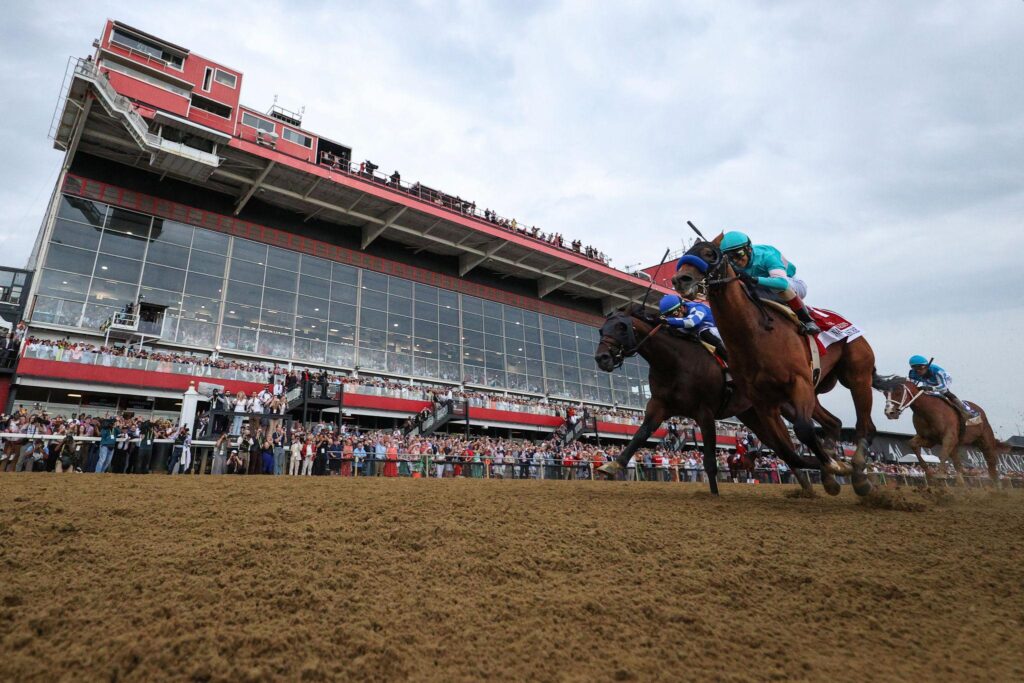
Betting Guide
Win Bet
A simple wager on a horse to finish first.
Place Bet
Your horse must finish first or second.
Show Bet
Pays if your horse finishes in the top three.
Exacta
Select the first two finishers in the correct order.
Trifecta
Predict the first three finishers in exact order.
Superfecta
Choose the first four finishers correctly.
These exotic wagers can generate substantial payouts when successful.
Common Betting Mistakes
Avoid these frequent errors:
- Blindly backing the Kentucky Derby winner
- Ignoring pace scenarios
- Overlooking track conditions
- Chasing losses
- Betting emotionally
Disciplined betting generally produces better long-term results.
The Triple Crown Connection
The Preakness Stakes is often the most important race in determining whether a Triple Crown bid remains alive.
If the Kentucky Derby winner captures the Preakness, anticipation builds dramatically for the Belmont Stakes.
Only a select group of horses have managed to win all three races and secure a place among racing’s immortals.
Final Thoughts
The Preakness Stakes remains one of the most exciting events on the horse racing calendar. Its combination of history, elite competition, and Triple Crown implications makes it essential viewing for racing fans around the world.
Whether you’re studying form guides, placing bets, or simply enjoying the spectacle, the Preakness Stakes delivers drama and excitement every year.
As the horses enter the starting gate at Pimlico, one thing is certain: another unforgettable chapter in horse racing history is about to be written.