
The Kentucky Derby is more than just a horse race—it’s a cultural phenomenon. Held annually at Churchill Downs in Louisville, Kentucky, the Derby attracts the best three-year-old thoroughbreds in North America and serves as the first leg of the prestigious Triple Crown.
Known as “The Run for the Roses,” the Kentucky Derby combines history, tradition, elite competition, and massive betting interest. For racing fans and bettors alike, understanding how to analyze the Derby can significantly improve the chances of identifying potential winners and value selections.
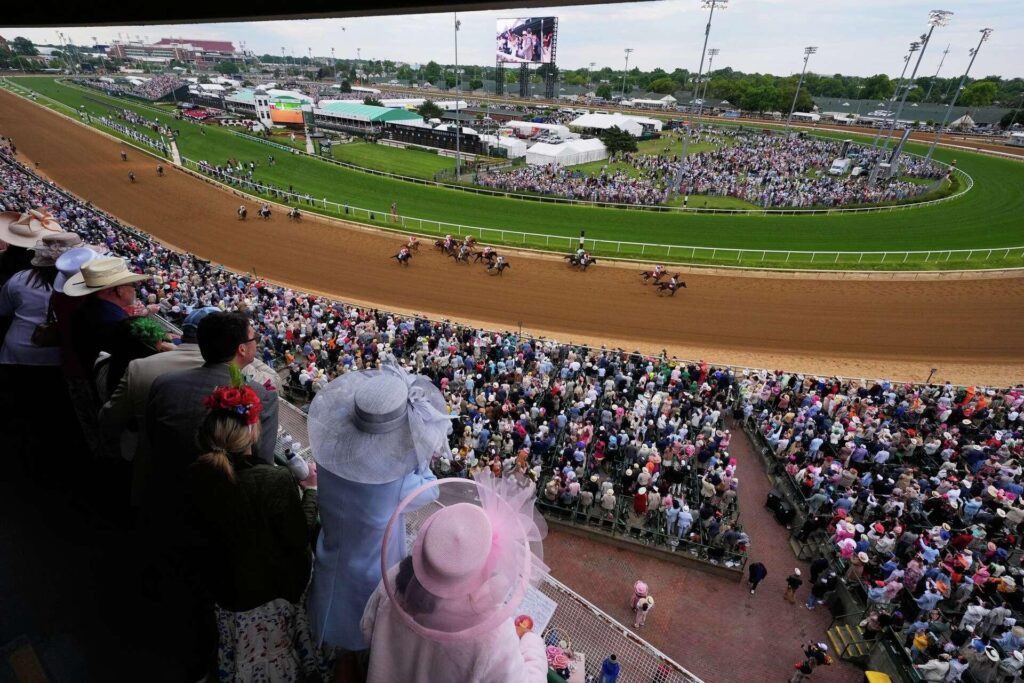
Why the Kentucky Derby Is Unique
Unlike most races, the Kentucky Derby features a large field of talented three-year-old horses competing over 1¼ miles (10 furlongs). Many entrants have never raced against such a large group before, making experience, positioning, and race tactics extremely important.
The Derby presents challenges that include:
- Large and competitive fields
- Intense early pace
- Crowd noise and pressure
- Longer race distance
- Limited experience among young horses
Because of these factors, the Kentucky Derby often produces dramatic finishes and occasional surprise winners.
Evaluating Recent Form
One of the most important aspects of Derby analysis is studying recent performances.
Leading contenders usually arrive after strong runs in major prep races such as:
- Florida Derby
- Santa Anita Derby
- Blue Grass Stakes
- Arkansas Derby
- Louisiana Derby
When reviewing form, focus on:
- Finishing position
- Quality of competition
- Speed figures
- Finishing strength
- Ability to overcome adversity
Horses showing steady improvement during prep season often make the strongest Derby candidates.
Importance of Speed Figures
Speed figures help compare performances across different tracks and conditions.
Many professional handicappers rely on speed ratings to identify horses capable of handling the Derby’s demanding pace.
Key indicators include:
- Consistent high speed ratings
- Improving figures over recent starts
- Ability to maintain speed over longer distances
However, speed figures should never be the sole factor in your analysis.
The Impact of Post Position
The Kentucky Derby’s large field makes post position especially important.
Inside draws can create traffic problems, while extreme outside positions may force horses to cover additional ground.
A favorable gate allows jockeys to secure an efficient position early in the race and avoid unnecessary trouble.
Although great horses can overcome poor draws, post position remains an important factor when comparing closely matched runners.
Pedigree Matters
Because the Kentucky Derby is run over 10 furlongs, stamina is crucial.
Some horses dominate shorter races but struggle when stretched to longer distances.
Examining a horse’s pedigree can provide valuable clues about its ability to handle the Derby trip.
Look for bloodlines associated with:
- Classic distance success
- Triple Crown races
- Strong late finishing ability
- Proven stamina
Well-bred horses often improve as race distances increase.

Trainer and Jockey Analysis
Elite trainers understand how to prepare horses for the biggest stage.
Successful Derby trainers typically design months-long campaigns aimed specifically at peak performance on Derby Day.
Similarly, experienced jockeys can make critical decisions involving:
- Early positioning
- Pace judgment
- Traffic navigation
- Timing of the final move
The combination of an accomplished trainer and top jockey can significantly increase a horse’s chances.
Pace Scenario Analysis
Many Kentucky Derby races are won or lost during the opening stages.
Understanding the projected pace helps identify horses likely to benefit from the race setup.
Front Runners
These horses prefer to lead from the start and control the pace.
Stalkers
Stalkers sit just behind the leaders and often receive ideal trips.
Closers
Closers conserve energy early before launching a strong late charge.
When multiple speed horses enter the Derby, a fast early pace often favors late-running closers.
Track Conditions
Weather can dramatically affect Derby outcomes.
Some horses perform best on fast dirt tracks, while others improve on wet or muddy surfaces.
Before making final selections, bettors should monitor:
- Weather forecasts
- Track maintenance reports
- Previous wet-track performances
A sudden weather change can completely alter the race picture.
Betting Strategies for the Kentucky Derby
Win Bets
Ideal when you strongly believe a horse can win outright.
Each-Way Style Betting
For horses offering attractive odds with realistic chances of finishing near the front.
Exacta and Trifecta Bets
These wagers require predicting the first two or three finishers and can produce substantial payouts.
Value Betting
Rather than simply backing favorites, many successful bettors focus on identifying horses whose odds are higher than their true winning chances.
Long-term profitability often comes from finding value rather than picking the most winners.
Common Mistakes to Avoid
Many bettors make the same errors every Derby season:
- Betting based on popularity
- Ignoring pace analysis
- Overvaluing one prep race
- Chasing losses
- Betting too many combinations
Maintaining discipline is often more important than finding a single winner.
Final Thoughts
The Kentucky Derby remains one of the most exciting and challenging races to analyze. With elite young thoroughbreds, large fields, and intense competition, the race demands a comprehensive approach to handicapping.
By studying form, speed figures, pedigree, pace scenarios, trainer patterns, and track conditions, bettors can make more informed decisions and improve their chances of success.
While no analysis can guarantee a winning ticket, understanding the factors that influence Derby outcomes provides a valuable edge during America’s most celebrated horse race.
When the gates open at Churchill Downs, preparation and discipline can be just as important as luck.